When it comes to HVAC installations and repairs, having the right tools and materials on hand is crucial for ensuring that the job is done quickly and efficiently One such tool that is often overlooked but essential for HVAC technicians is HVAC rope This versatile and durable rope plays a crucial role in various HVAC applications, from securing ductwork to hoisting heavy equipment In this guide, we will explore the different types of HVAC ropes available, their uses, and why every HVAC technician should have a supply on hand.
HVAC ropes come in various materials, each with its unique set of characteristics and benefits One of the most common types of rope used in HVAC applications is polypropylene rope This synthetic rope is lightweight, durable, and resistant to rot and mildew, making it an ideal choice for outdoor HVAC installations Polypropylene rope is also buoyant and has excellent UV resistance, making it suitable for jobs that require exposure to sunlight.
Another popular type of rope used in HVAC applications is nylon rope Nylon rope is known for its high strength-to-weight ratio, making it perfect for heavy-duty applications such as hoisting HVAC equipment Nylon rope is also resistant to abrasion and has excellent flexibility, making it easy to work with in tight spaces However, nylon rope is not as resistant to UV rays as polypropylene rope, so it may not be the best choice for outdoor applications.
For HVAC technicians who need a rope that can withstand extreme temperatures, Kevlar rope is an excellent choice Kevlar rope is highly heat-resistant and can withstand temperatures of up to 900 degrees Fahrenheit, making it ideal for HVAC applications where high heat is a concern hvac rope. Kevlar rope is also incredibly strong and resistant to cuts and abrasions, making it a reliable option for securing ductwork and other HVAC components.
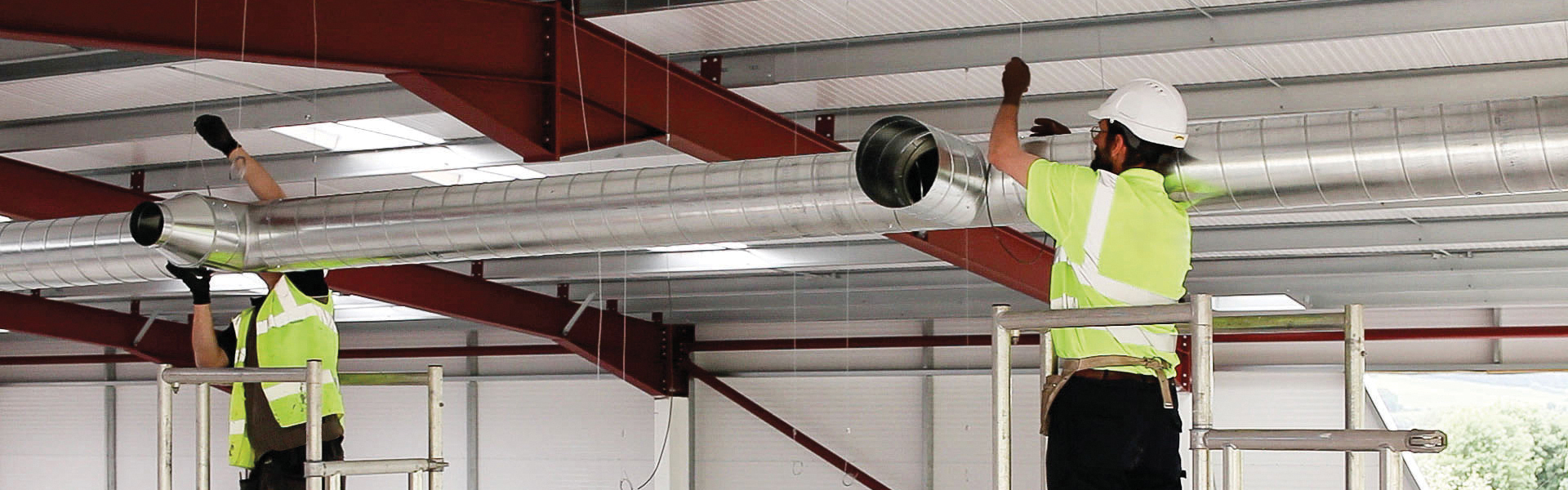
In addition to the material used, HVAC ropes also come in various sizes and configurations to suit different applications From small, lightweight ropes for securing ductwork to heavy-duty ropes for hoisting heavy equipment, there is a rope available for every HVAC job Some ropes even come with built-in features such as handles or carabiner clips, making them easy to use and versatile in a variety of situations.
So why should every HVAC technician have a supply of HVAC rope on hand? The answer is simple – convenience and efficiency Having a supply of HVAC rope readily available means that technicians can quickly and easily secure ductwork, hoist equipment, and perform other tasks without having to search for or purchase additional materials This saves time and allows technicians to complete jobs faster, increasing productivity and customer satisfaction.
Additionally, having HVAC rope on hand can also improve safety on the job site Properly securing ductwork and equipment with a high-quality rope reduces the risk of accidents and injuries caused by loose or improperly secured components By using the right type of rope for the job, HVAC technicians can ensure that their work is done safely and effectively, protecting themselves and their coworkers in the process.
In conclusion, HVAC rope is an essential tool for any HVAC technician With its versatility, durability, and convenience, HVAC rope makes it easier to complete jobs quickly and efficiently while ensuring safety on the job site Whether securing ductwork, hoisting equipment, or performing other tasks, having a supply of HVAC rope on hand is a must for HVAC technicians everywhere Make sure to invest in high-quality HVAC rope for your next installation or repair job – your safety and efficiency depend on it.